



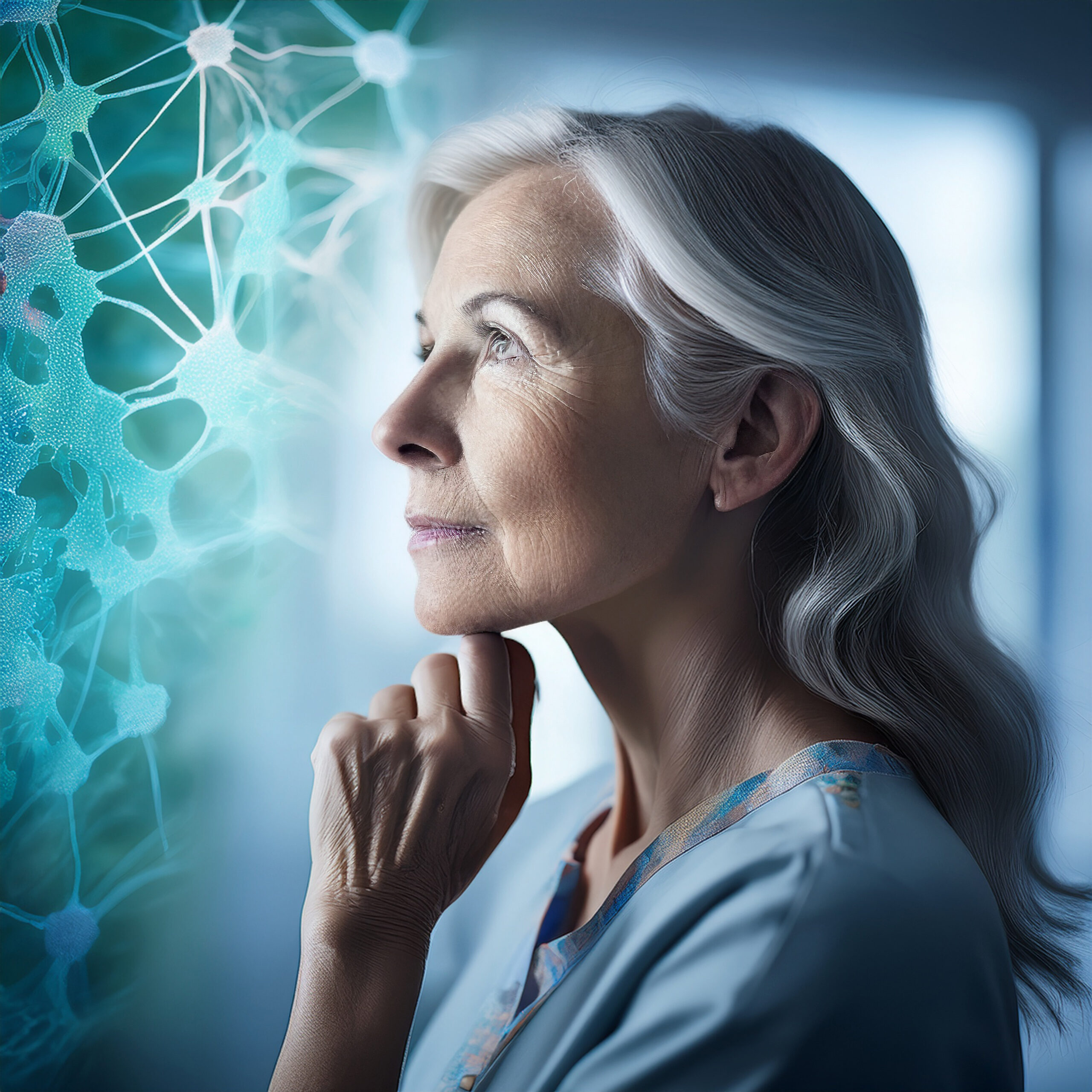
A major new study from Sweden has found that autistic people are at a much higher risk of developing early-onset Parkinson’s disease than non-autistic people. The research, published in JAMA Neurology and led by scientists at the Karolinska Institutet, is the largest of its kind to date and is already sparking important conversations across the neurodiversity community.
What the Study Found
Scientists looked at medical records for over two million people born in Sweden between 1974 and 1999. Over many years, they tracked which participants were diagnosed with autism and later went on to develop Parkinson’s disease, paying close attention to those who showed symptoms before turning 50.
The results were striking. People with autism faced over four times higher odds of receiving an early Parkinson’s diagnosis compared to non-autistic individuals. Out of about 52,000 autistic participants, 24 developed Parkinson’s. Among more than 2.2 million non-autistic people, 438 received the diagnosis.
Even after the researchers accounted for factors like sex, socioeconomic status, family history, depression, and medication use, the risk for autistic people remained about twice as high as for non-autistic people.
Dr. Weiyao Yin, the study’s first author, explained, “This indicates that there can be shared biological drivers behind ASD and Parkinson’s disease. One hypothesis is that the brain’s dopamine system is affected in both cases, since the neurotransmitter dopamine plays an important part in social behavior and motion control.”
Why Might There Be a Link?
The study’s findings build on earlier research suggesting that autism and Parkinson’s may share some genetic and biological roots. For example:
- Variants in genes like PARK2 have been found in both autism and early-onset Parkinson’s.
- Dopamine, a neurotransmitter involved in both movement and social behavior, is implicated in both conditions.
- Other studies have found that parkinsonism (a group of movement symptoms similar to those seen in Parkinson’s disease) is more common in autistic adults than in the general population.
Important Caveats
While the relative risk is much higher, Parkinson’s remains rare in people under 50, including those with autism. The average age of participants at the end of the study was 34, so most were still quite young. The researchers stress that these findings do not mean most autistic people will develop Parkinson’s, but the risk is higher than previously recognized.
Sven Sandin, a statistician and epidemiologist on the research team, noted, “The healthcare services need to keep people with ASD, a vulnerable group with high co-morbidity and a high use of psychotropics, under long-term observation. At the same time, it’s important to remember that a Parkinson’s diagnosis before the age of 50 is very rare, including for people with autism.”
How Could This Affect the Neurodiversity Community?
For many autistic adults and their loved ones, these findings raise important issues. There is a clear need for doctors and other healthcare professionals to better recognize the possibility that early-onset Parkinson’s could occur in autistic people. Families and clinicians should also keep an eye out for changes in movement or coordination as autistic individuals get older, since early identification and support can make a real difference.
Ezra Susser, professor of epidemiology and psychiatry at Columbia University, who was not involved in the study, commented, “There is a lot that we may come to understand when it comes to the relationship between neurodevelopmental disorders early in life and neurological disorders later in life.”
Looking Ahead
The Swedish team plans to keep following this group as they age to see if the increased risk continues into later adulthood. They believe that sharing these results could inspire scientists to look more closely at how autism and Parkinson’s are connected and to explore what might be happening in the brain to link the two conditions.
For now, the message is clear: while early-onset Parkinson’s is still rare, autistic people and their healthcare providers should be aware of the possible connection and stay informed as new research emerges.
Citations
- Yin, W., Sandin, S., Långström, N., et al. (2025). Risk of Parkinson Disease in Individuals With Autism Spectrum Disorder. JAMA Neurology, e251284. https://doi.org/10.1001/jamaneurol.2025.1284
- MedPage Today. (2024, May 28). Autism Linked to Higher Risk for Early-Onset Parkinson’s. https://www.medpagetoday.com/neurology/parkinsonsdisease/XXXXXX
- The Transmitter. (2024, May 28). Early-onset Parkinson’s risk higher in autistic adults, study finds. https://www.thetransmitter.org/spectrum/early-onset-parkinsons-risk-higher-in-autistic-adults-study-finds/
- EurekAlert! (2024, May 28). People with autism at increased risk of early-onset Parkinson’s disease. https://www.eurekalert.org/news-releases/XXXXXX
- Columbia University Mailman School of Public Health. (2024). Faculty Profile: Ezra Susser. https://www.publichealth.columbia.edu/people/our-faculty/eds8